Use the lookup first. Find the model, module, caliber, or device number for Seiko watch battery finder, then confirm the result against the marking on the old cell or the official manual.
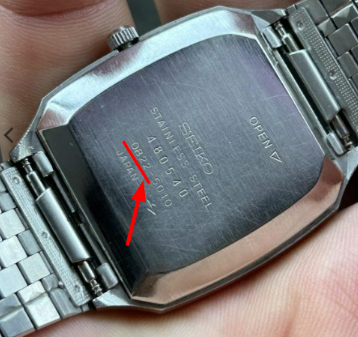
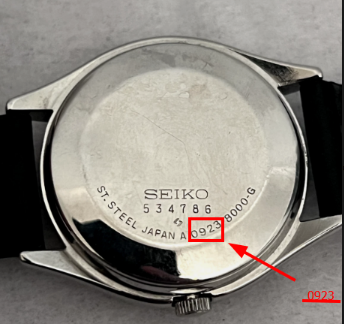
- Flip the watch and find the caliber on the caseback (e.g., V157, 4J52).
- Type it into Caliber — results appear instantly.
- Not sure? Pick a Battery / Cell type (SR, CR, or MT/TS) or search Popular Models.
- For solar/kinetic, tick Solar/Kinetic only.
Seiko Caliber Battery / Accumulator Finder
| Caliber | Battery / Cell | Seiko Part | Popular Models | Notes |
|---|
Seiko watch battery basics (quick reference)
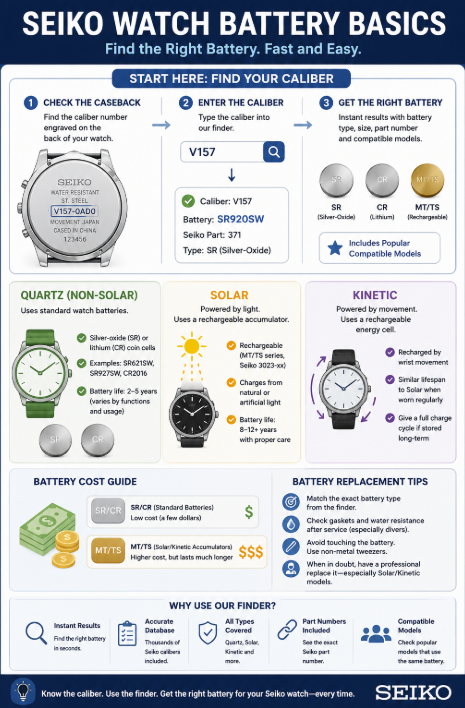
If you’re looking for the correct Seiko watch battery, don’t start by guessing the battery size or searching by the watch name. The quickest and most reliable method is to check the caliber number engraved on the case back. That’s the number Seiko uses to identify the movement and, ultimately, the correct battery.
Our lookup tool works as a searchable Seiko watch battery chart. Enter the caliber and you’ll instantly see the correct battery type, size, and part number – whether it’s a standard silver oxide battery like SR621SW, a lithium cell such as CR2016, or a rechargeable battery used in Solar and Kinetic watches.
Quartz Watches
Most standard quartz Seiko watches use a disposable silver oxide battery, although some movements require a lithium coin cell instead.
Depending on the caliber, common battery sizes include:
- SR621SW
- SR927SW
- SR920SW
- CR2016
Battery life varies between models, but most quartz Seiko watches run for 2 to 5 years before a replacement is needed. Features such as alarms, chronographs and frequent backlight use can shorten that time.
Seiko Solar
Solar models don’t use a regular disposable battery.
Instead, they contain a rechargeable energy cell that stores power collected through the solar panel built into the dial. Depending on the movement, you’ll often see rechargeable parts beginning with MT or TS, along with a Seiko part number such as 3023-xx.
With normal use and regular exposure to light, these rechargeable batteries commonly last 8 to 12 years, and many continue working well beyond that. Letting the watch discharge completely on a regular basis will reduce its lifespan, so occasional charging in natural daylight is recommended.
Seiko Kinetic
Kinetic watches also use a rechargeable energy cell, but instead of sunlight, it’s charged by the movement of your wrist.
The expected lifespan is similar to a Solar model, especially if the watch is worn regularly. If it’s been sitting in a drawer for months or years, giving it a full recharge before wearing it again can help restore normal performance.
Battery Price and Replacement Tips
A standard SR or CR battery usually costs only a few dollars, making quartz battery replacement one of the least expensive watch maintenance jobs.
Rechargeable batteries for Solar and Kinetic models are more expensive, but they’re designed to last much longer and don’t require frequent replacement.
Before replacing any battery:
- Confirm the exact battery using the caliber number.
- Inspect or replace the case gasket to help maintain water resistance.
- Handle the battery with plastic or non-metal tweezers whenever possible.
- If you own a Solar or Kinetic model, professional replacement is usually the safest option.
A few seconds spent checking the caliber can save you from ordering the wrong battery. Enter it into the tool above and you’ll get the correct Seiko watch battery size, type and part number in one place.
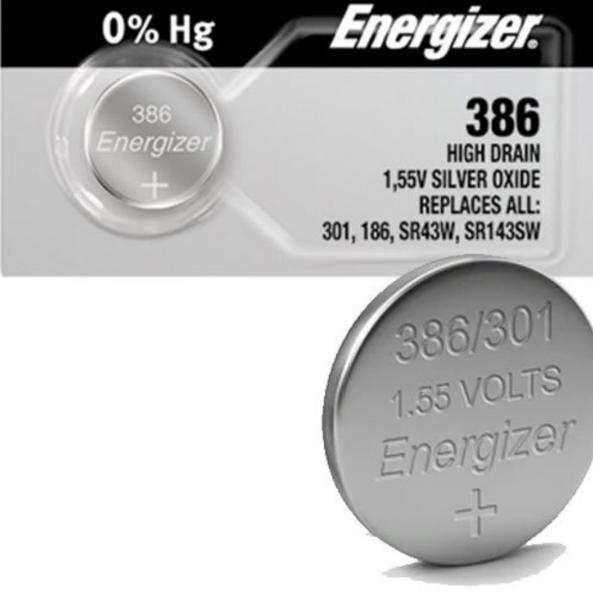
How to Verify a Seiko watch battery finder Result
Use the model, module, or caliber marking as the primary key. If the lookup and the installed part disagree, stop and confirm the official manual before substituting an equivalent.
